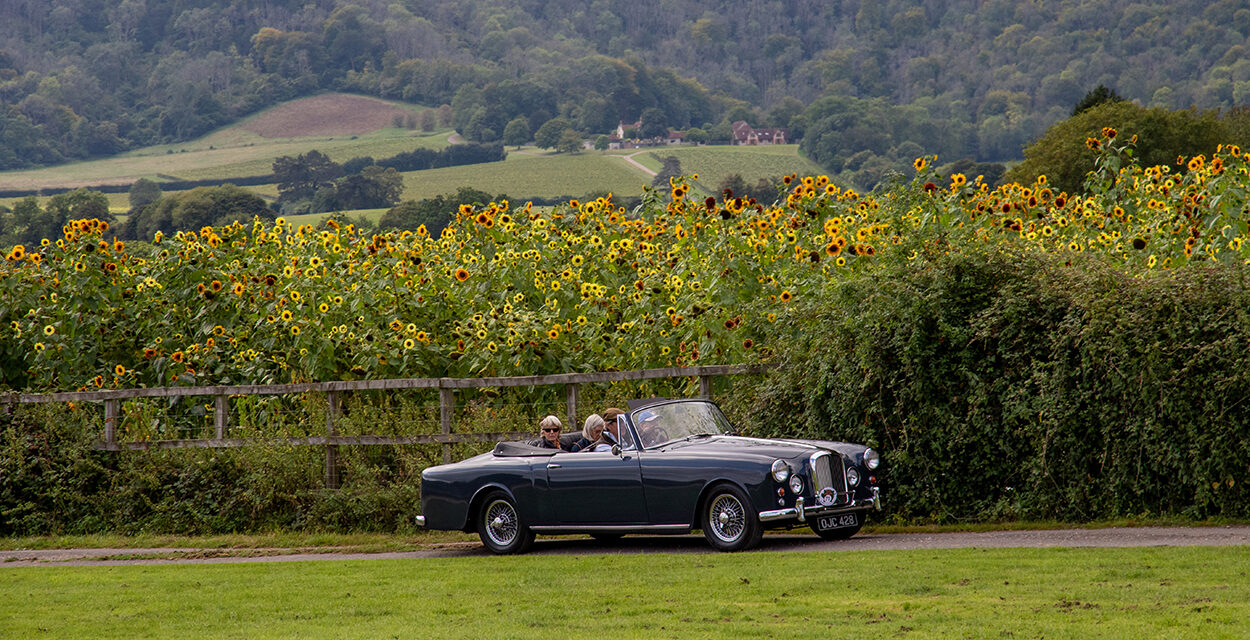
By Tim Winton, founder of Cambrian Classics Ltd
There are countless ways to use and enjoy a classic car. You can join local or national clubs. There are club rallies, car shows, scenic national tours, holidays abroad, track days, and more active motorsport events.
It’s important to decide what you enjoy and maximise the car around that.
If a road trip is what most takes your fancy, preparation is key. Whether it’s for a weekend away or a longer road trip, simple checks can prevent frustration and preserve the pleasure of the outing.
Before any major trip, it’s worth having a professional inspection.
Planning Your Route
Planning can be part of the adventure; working out your route, researching sights to see and looking up interesting accommodation and food stops. One top tip when planning your itinerary: don’t set unrealistic daily mileages. What’s comfortable in an MGB may not be realistic in a 1929 Morris Minor.
Necessary fuel stops also vary significantly between cars. A modern classic might do 300 miles on a tank, whereas an Austin 7 might need two or three stops in that distance. Remember too that Google Maps journey times are based on modern cars. If it says three hours, assume four in a 50- or 60-year-old car, particularly when crossing mountain passes. B-roads, rather than motorways, often make for the most memorable drives: winding lanes that reveal hidden villages, sudden viewpoints, or a snack stop offering local delicacies.
Depending on where you are heading, you may need to consider temperature. Driving around Milan in August at 40°C on black tarmac can be punishing. Queuing in heavy traffic with the cooling fan running may require turning the heater on to manage temperature – not always popular with passengers. If possible, you may want to drive in the morning and evening and find somewhere to relax in the heat of the day over a long lunch.
A flexible attitude and schedule can be useful. You might find a day longer than expected and choose to stop earlier. Apps now allow for booking accommodation on the go, making rigid pre-booked itineraries less necessary.
Sometimes the best experiences are unplanned – could be breathtaking views around Alpine corners or unexpected attractions. Take time to stop, let the car cool, and enjoy the journey. The last thing you want is to feel like you are rushing through your trip. Along with flexibility, pack your sense of humour; remember that any challenges you face along the way will become the best stories to tell once you get home. If a self-planned and driven road trip feels too daunting to start with, there are a number of group rallies and club trips that you can join. These allow you to skip the planning logistics and offer both support and camaraderie on route.
Fuel Quality Overseas
Fuel quality varies by country. Some countries offer higher octane fuel, but it may also contain higher ethanol content. Carburetted cars don’t automatically adjust for octane changes.
If you normally run high-octane E5 in the UK, continue using the highest octane available abroad. If you switch to lower octane and then climb altitude, you risk pinking and other issues.
On long road trips, you’ll use the fuel quickly, so high ethanol content is less of a problem than when the car is sitting at home in a garage. But consistency helps maintain correct running.
Legal Requirements Abroad
These will vary for each country, and you may cross borders on a longer European road trip. Requirements can include:
- Warning triangles
- High-visibility vests
- Breathalysers
- Spare bulb kits
- Headlight beam deflectors
So do your research and be aware of local laws before departure.
International Breakdown Cover
International recovery is strongly recommended. Many insurance companies include it – for example, Hagerty offers continental cover as part of some policies.
Be aware that recovery abroad doesn’t always operate like UK recovery. Sometimes the car is transported to a port and returned separately, while you arrange your own travel. Additional cover is available through organisations like the AA or RAC, even for older cars, but costs vary. Confidence in yourself and your car will guide how much cover you feel comfortable purchasing. You may be happy to try and fix any issues yourself, or don’t mind editing your itinerary to allow for delays in sourcing any parts needed. Or if you are on a group rally, you may prefer to have the option of continuing with the event in a hire car while your car is recovered to the UK.
Final Thought
Owning a classic car is about far more than transport – it’s about nostalgia, craftsmanship, and the sheer pleasure of driving something with character. The car’s purpose is to be used, to create stories, and to reward the care and attention invested in it. Drive it. Enjoy it. Make memories.
ABOUT THE AUTHOR
Tim Winton is the founder of Cambrian Classics Ltd, a family-run business that specialises in classic car repair and servicing and is located by the beautiful Ceredigion coast. Cambrian Classics offers services that range from restoration and repair work to regular servicing and maintenance. Cambrian Classics is a recommended garage for both the MG Owner’s Club and Just Kampers, and regularly works on pre-1980’s classic cars, including pre-war vintage vehicles. Cambrian Classics specialises in a variety of classic marques including MG, Austin-Healey, Rolls Royce and Bentley, Alfa Romeo, Mercedes, BMW, Triumph, Volkswagen, Morris, Land Rover, Mini, Rover.