As interiors move away from fast décor and algorithm-led aesthetics, 2026 marks a quieter, but more meaningful, turning point in the way we decorate our homes. Rather than chasing what’s new, design is becoming more intentional, emotional, and considered, with longevity and feeling at the forefront.
Drawing on customer behaviour, buying patterns, and long-view design expertise, Arighi Bianchi says this year will be more about interior movements that go beyond surface-level trends.
It’s more about ‘anti-trends’, what designers and consumers are moving away from, with the shift towards a broader cultural reset — one where homes are designed to support how we actually live, rest, and connect, says Lucy Mather, interiors expert at Arighi Bianchi.
What’s interesting about 2026 isn’t the emergence of any stand-out ‘new’ trends, it’s the way certain ideas are proving their staying power. We’re seeing a real shift away from disposable décor and transient trends towards pieces and palettes that feel grounding, soulful, and worth investing in.
The focus is shifting towards intention through design that nurtures, lasts, and means something. This new era of interiors isn’t about perfection or ‘for show’; it’s about creating spaces that hold emotion and purpose. From sculptural comfort and tactile layering to nostalgic prints and subtle metal accents, every detail reflects a collective craving for depth, warmth, and authenticity in the way we live.
Interiors shaped by the ‘Age of Intention’
We’re increasingly choosing design with purpose rather than just following trends for the sake of it. People are less influenced by TikTok driven micro-trends or overly sterile minimalism, opting for decor that feels meaningful, considered, and personal. There’s more soul in a space when it reflects real life rather than an idealised image,” says Lucy.
The last decade has been heavily dominated by fast décor – in-particular ‘Instagram-driven aesthetics’, whereas the future is about slowing down, choosing consciously, and investing in what truly matters.
This isn’t about stripping interiors back to minimalistic, but about layering spaces with meaning: pieces that hold value, colours that nurture, and layouts that support the way we actually live.
Design is becoming more thoughtful, with every choice reflecting wellbeing, sustainability, and personal meaning. Earthy palettes instead of high-shine finishes, limited-production finds over mass-produced furniture, and curved silhouettes to soften spaces.
Anti-trends we’re adopting in 2026
❌ Rooms designed purely for looks
✅ “Voluptuous, oversized seating – not as a statement trend, but as a response to how we use our homes. Comfort is king and exaggerated forms are spanning both furniture and accessories,” says Lucy.
From bubble sofas to bold, rounded armchairs, ‘fat furniture’ is both a comfort haven and a statement piece. This sculptural look adds softness and drama, moving away from hard-edged minimalism towards playful, exaggerated forms that invite you to sink in. It’s balancing both sides of what we want from our homes right now: softness that soothes, and style that sparks joy. These oversized, sculptural pieces act like modern hearths — places to gather, to lounge, to curl up without formality.
The move towards oversized design isn’t limited to furniture — it’s influencing accessories too. We’re seeing everything scale up, from sculptural vases and statement lamps to chunky ceramics and generous cushions. It’s about creating visual weight and presence, adding comfort through proportion. These exaggerated forms bring a sense of playfulness and confidence to interiors, softening the mood while making everyday objects feel like art pieces in their own right.
❌ All-grey everything (or single colour rooms)
✅ “Sensory drenching with tactility-led decor is taking over from ‘colour drenching’ as a key design influence in our homes in 2026,” says Lucy.
In terms of texture, bouclé remains a front-runner, alongside nostalgic, touchable fabrics that bring cosiness and heritage charm. Raw finishes such as plaster walls, concrete, grainy oak, and wood drenching keep spaces grounded. Layering rugs, throws, and tactile materials is the key to building intimacy and warmth.
We’re seeing ‘drenching’ beyond just colour. No longer is this aesthetic just about saturating walls in a single bold hue, it’s evolving into a full sensory experience. Designers are carrying the idea across textures and finishes – wrapping rooms in raw plaster, enveloping kitchens in veined marble, or layering oak across floors, cabinetry and ceilings. It’s immersive and cocooning, almost architectural in feel, creating spaces that are less about highlights and more about total atmosphere. Rooms don’t just look considered, they feel like complete environments.
❌ Overly sterile minimalism
✅ “Pattern in 2026 is a blend of old and new: retro + modern, heritage + luxe. It isn’t about minimalism; it’s about richness,” says Lucy.
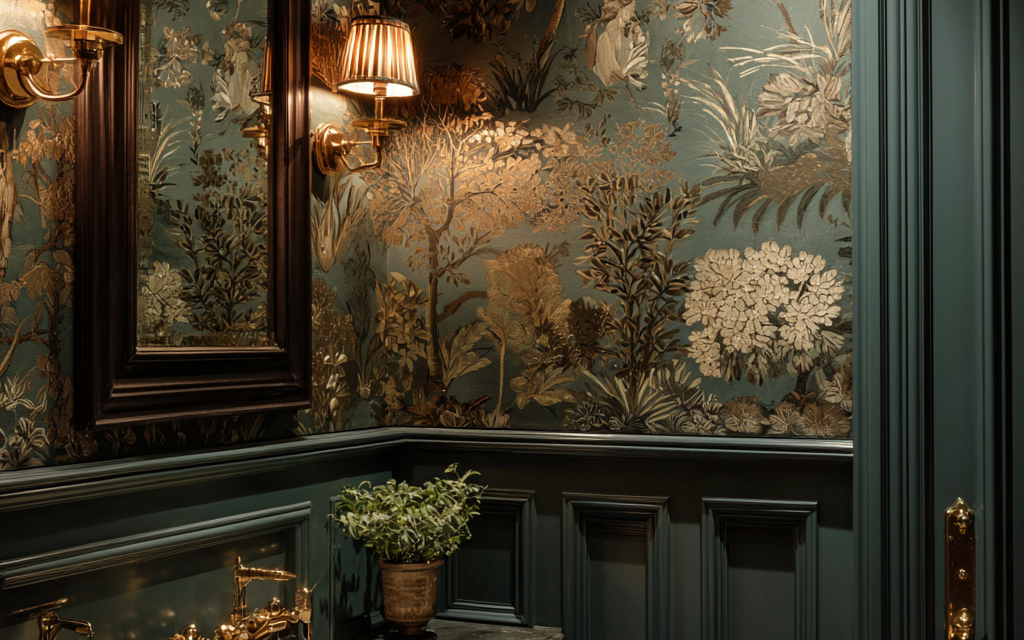
As a counterpoint to sterile perfection, freehand brushstroke motifs and artisanal details are on the rise. From carpets to ceramics and wallpaper, interiors are celebrating imperfection and heritage design. This includes bold botanical prints and traditional florals, especially in smaller spaces like bathrooms, where pattern brings personality without overwhelming.
Florals are back, but with a dramatic twist. Inspired by vintage interiors, oversized botanical prints are making their way onto wallpaper, fabrics, and accent pieces. Whether embraced boldly on curtains or subtly in accessories, these patterns add richness and nostalgic flair, blending modern living with timeless character.
2026 marks a turning point in design. It’s not so much about what’s next, as about what feels worth keeping – because the future of interiors isn’t fast, it’s thoughtful.
As trend cycles accelerate and social media aesthetics burn out faster than ever, the interiors industry is quietly shifting its focus. Today’s most compelling homes aren’t about what’s new, but what lasts – spaces designed with intention, emotional connection and longevity in mind.