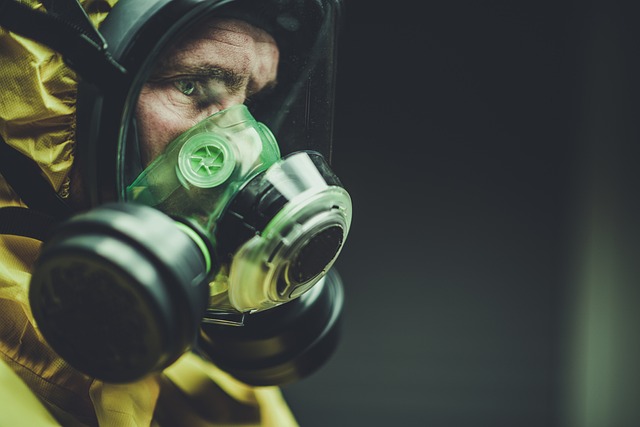
Having the right safety equipment in place is crucial for protecting employees, supporting compliance with legal requirements. Headwear is particularly important, and research suggests that even though it only accounts for 3% of annual PPE purchases, at least 13% of injuries are head-related.
When it’s made to the correct standard and distributed accordingly, PPE and high-quality kit reduces risks and fosters a productive working environment. From preventing injuries to minimising downtime, safety equipment is the foundation of a safe workplace.
Legal requirements and compliance
In the UK, employers are legally responsible for providing a safe working environment, including the proper safety equipment.
Failing to meet health and safety regulations can result in fines or penalties. By following health and safety guidelines, employers can protect both their staff and the stability of their business. The Health and Safety Executive (HSE) provides free, accessible advice to help businesses remain compliant.
Personal Protective Equipment (PPE) essentials
Essential PPE is essential for preventing injuries in the workplace. A few of the most commonly distributed items include:
● Helmets
● Gloves
● Reinforced boots
● Eye protection
● Overalls
Employers can work with confidence when they have the right kit, knowing they are protected against common hazards. For example, safety trainers help to prevent slips and trips, which are common causes of injury, especially in the construction sector. These injuries cost UK businesses more than £500 million every year in lost production.
The Health and Safety Executive provides resources to guide businesses in selecting appropriate PPE for their workforce.
Equipment maintenance and inspection
Safety equipment needs regular checks and maintenance to stay effective. Over time, wear and tear can reduce its protective capabilities, especially in harsh outdoor environments.
Businesses should inspect everything from individual PPE to heavy machinery.
Regular maintenance reduces the risk of equipment failure and supports a safe working environment. Governing bodies like the CIOB emphasise the importance of maintaining work equipment to keep employees safe.
Training and Safe Working Practices
Proper training on using safety equipment and following safe working practices is vital. Even the best PPE can’t protect workers if it isn’t used properly.
Training allows employees to spot hazards and respond appropriately, even if that involves disabling equipment temporarily.
Ongoing education is the best way to keep workers are up to date with new equipment or procedures. In addition to guidelines on PPE, the HSE offers training resources to help businesses develop a knowledgeable, safe workforce.
Conclusion
The right safety equipment is key to creating a responsible and safe workplace.
By providing appropriate PPE and offering extensive, timely training, businesses can protect their employees and foster productivity with less risk. With safety trainers and other essential gear, workers can reach their potential and succeed in their careers.