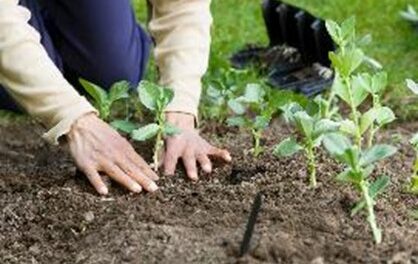
Composting is one of the easiest ways to reduce waste and nourish your garden at the same time. Instead of sending kitchen scraps and garden trimmings to landfill, you can turn them into nutrient-rich soil that helps your plants grow stronger and healthier. Best of all, anyone can do it, whether you have a large garden or just a small patio space.
Compost enriches your soil naturally, improving its texture, nutrient content, and ability to hold water, which means stronger plants and less need for frequent watering. It supports a thriving ecosystem of beneficial microbes, worms, and fungi.
Over time, composting saves money by cutting down on waste collection costs and store-bought compost, all while transforming everyday organic waste into something valuable.
Follow these tips from Envii, creators of eco-friendly home and garden care solutions, on how to recycle your kitchen and garden waste and turn it into compost – helping your garden thrive whilst supporting the environment!
What to compost
- Fruit and vegetable scraps
- Coffee grounds and filters
- Tea bags (without synthetic mesh)
- Grass clippings and leaves
- Shredded paper or cardboard
- Eggshells
What to avoid
- Meat, fish, or dairy products
- Oils, fats, or greasy foods
- Diseased plants or invasive weeds
- Pet waste (especially from cats or dogs)
- Glossy paper or plastic-coated materials
How to make compost – follow Envii’s easy step-by-step guide:
You can buy a ready-made compost bin, build one from old wooden pallets, or simply start a pile directly on the ground in your garden.
- Begin your compost pile with a foundation of coarse materials such as small twigs, straw, or shredded sticks. This will create air pockets and help water drain properly, preventing the bottom of your compost from becoming soggy or compacted.
- Once you’ve got your base, start adding alternating layers of “greens” (nitrogen-rich materials) and “browns” (carbon-rich materials). Aim for roughly 75% browns and 25% greens. Browns include dry leaves, cardboard, and paper, while greens include fruit and vegetable scraps, coffee grounds, and grass clippings.
- Layering these materials helps maintain the right balance of nutrients and moisture, while reducing odours. Each time you add kitchen scraps or fresh greens, cover them with a layer of browns to deter pests and keep the pile tidy.
- Moisture is crucial for decomposition. Your compost should feel damp but not wet. If it’s too dry, sprinkle it with a bit of water as you add materials, or add more greens.
- If it’s too wet or slimy, mix in more browns such as shredded paper, straw, or dry leaves to absorb excess moisture.
- Aeration is one of the secrets to great compost. Every one to two weeks, use a garden fork, shovel, or compost aerator to mix and turn the pile. This introduces oxygen, which the microorganisms need to thrive.
- Turning also redistributes heat and moisture, speeds up decomposition, and helps prevent unpleasant odours caused by trapped gases.
Wait and harvest
- Compost can take two to six months to fully mature. You’ll know it’s ready when it becomes dark brown, crumbly, and smells pleasantly earthy.
- Larger bits of twigs or shells that haven’t decomposed can be sifted out and added back to your next batch.
- Once finished, spread your compost on garden beds, mix it into potting soil, or use it as a mulch around trees and shrubs.