Childhood is a busy time. Between the school run, homework, and finding the other missing sock, you are also quietly laying the foundations for your child’s future health. One of the most vital, yet often overlooked, aspects of growing up is bone health. The skeleton is a living, growing framework, and the investments you make now in their diet and daily movement will pay dividends for decades to come.
It isn’t just about drinking milk, though that certainly helps. Building robust bones requires a mix of the right nutrients and plenty of physical fun. Whether you are a parent or a foster carer looking after a new arrival, small changes to your daily routine can make a massive difference.
Fuel for Growth
Calcium is the star of the show when we talk about bones. It acts like the bricks in a wall, providing strength and structure. While dairy products like milk, cheese, and yoghurt are excellent sources, they aren’t the only options. If you have a child who turns their nose up at a glass of milk, try incorporating leafy green vegetables like broccoli or kale into meals. Tinned fish with soft bones, such as sardines, or calcium-fortified plant milks are also brilliant alternatives.
However, calcium can’t do the job alone. It needs Vitamin D to help the body absorb it. In the UK, getting enough sunshine, which is our primary source of Vitamin D, can be tricky during the grey winter months. Encouraging children to play outside when the sun is shining is great, but the NHS also recommends a daily supplement for many children, especially during autumn and winter, to keep their levels topped up.
The Joy of Movement
Bones are living tissue that gets stronger when used. Just as muscles grow with exercise, bones increase in density when they bear weight. This doesn’t mean sending your little ones to the gym to lift weights; it means encouraging high-impact play.
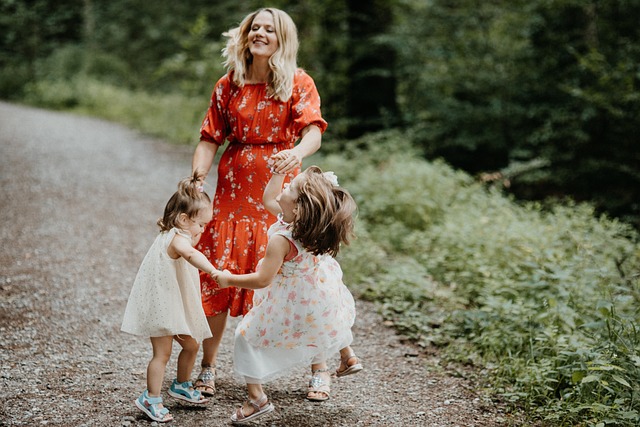
Running, jumping, skipping, and dancing are fantastic bone-builders. Activities that involve working against gravity trigger the bones to lay down more structural material. For anyone fostering in London or elsewhere in the UK, engaging in these activities can be a wonderful way to bond. A simple game of hopscotch or a kickabout in the park helps a foster child feel settled while simultaneously strengthening their skeleton. Even walking to school instead of driving adds valuable weight-bearing steps to the day.
Create Healthy Habits
The goal is consistency rather than perfection. You don’t need to overhaul your entire lifestyle overnight. Perhaps you could swap a sugary snack for a piece of cheese or start a weekend tradition of a family walk.
If you are caring for foster children who have had a difficult start in life, nutrition might have been inconsistent in the past. Patience is key here. Gently introducing calcium-rich foods and making movement a fun, pressure-free part of the day helps establish a new normal.
A Lifetime of Movement
By focusing on calcium-rich foods, adequate Vitamin D, and plenty of active play, you are giving the children in your care the best possible start. Strong bones support a lifetime of movement, protecting them long after they have outgrown their school shoes. It is a simple, positive way to show you care about their future, one jump, skip, and healthy meal at a time.