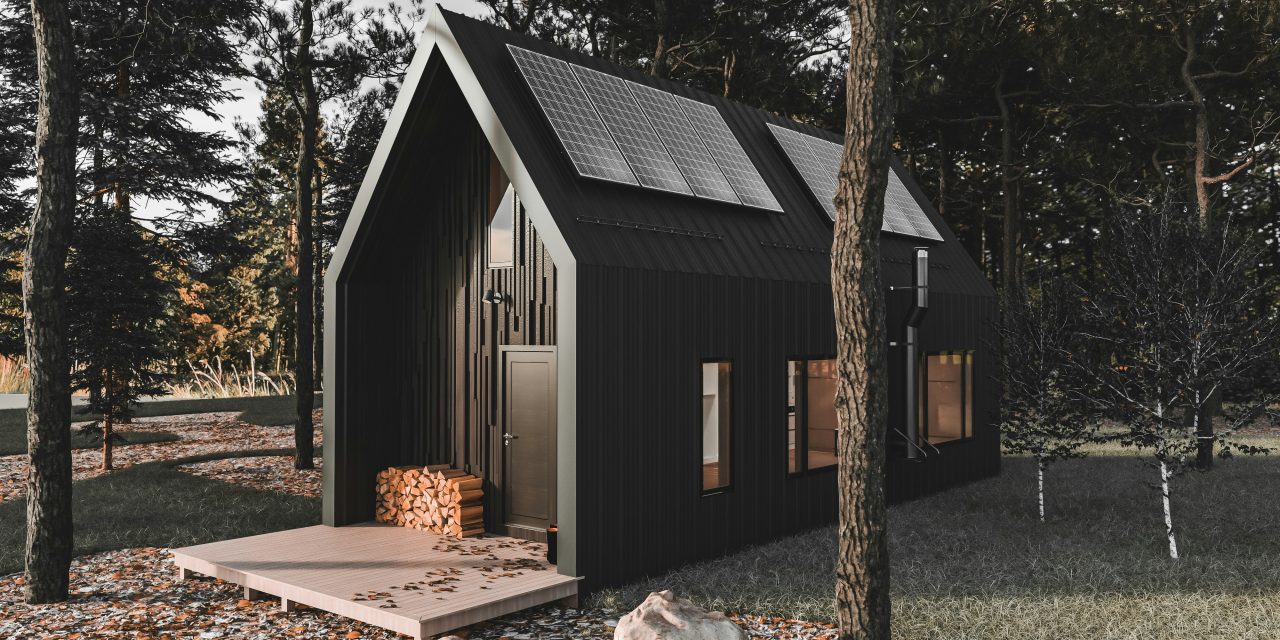
The idea of moving into a tiny house brings images of simplicity, freedom, and a lighter financial load. You picture fewer belongings, less maintenance, and a lifestyle that feels more intentional.
It is this image of tiny homes that is helping grow its demand. Coherent Market Insights notes that its global market is expected to grow at a 6.3% CAGR between 2025 and 2032. Currently, it is valued at $8.12 billion and could reach $12.45 billion by 2032.
Along with this rise in demand, the prices of tiny homes have also soared. For instance, the average cost of tiny homes in Australia has increased to around $150,000 to $200,000. However, they still enable people to have their own homes. Those who can’t afford conventional houses choose this option due to increasing living expenses.
While those benefits are real, your health and well-being can shift subtly once you begin living in a smaller space. Tiny living changes how you move, sleep, cook, and even think. Some of these changes are positive, while others require careful attention.
Air Quality and Ventilation in Small Spaces
The Environmental Protection Agency states that people spend much of their time in a house, making indoor air quality important. Poor air quality results from contaminants released by building materials, everyday household products, and biological sources. Substances such as gases, fine particles, mold, carbon monoxide, and volatile organic compounds can accumulate to unsafe levels.
When you move into a tiny house, the air you breathe becomes a more immediate concern. In a larger home, airflow has more room to circulate, but in a compact space, pollutants can build up faster.
You may notice that humidity levels rise quickly, especially if ventilation is limited. This can lead to mold growth, which can affect your respiratory health over time. Paying attention to proper ventilation, window placement, and even the materials used in your home becomes essential for clean air.
Your body will give you early signals, such as headaches or fatigue, when the air quality is poor. Learning to recognize those signals helps you make adjustments before they become ongoing issues.
How Indoor Conditions Can Affect Medical Needs
The quality of your indoor environment does more than influence comfort. It can also shape how your body responds to existing health conditions. If you or someone in your household already has a chronic illness, poor air quality can worsen symptoms.
Pollutants can aggravate breathing issues, trigger fatigue, and place added stress on your body. In serious conditions like cancer, poor ventilation can worsen breathing difficulties (dyspnea).
It could be caused by factors such as fluid buildup, tumors, or treatment side effects. The use of medical devices for chemotherapy may also carry risks, as noted in the Bard Power Port lawsuit cases. According to TorHoerman Law, victims allege consequences such as blood clots, pulmonary embolism, vascular perforations, sepsis, etc.
Experts claim that the Bard Power Port lawsuit settlement amounts could range from $10,000 to over $300,000. This does not mean that tiny living is unsafe. However, it does emphasize the importance of maintaining a healthy indoor environment.
Clean air, proper ventilation, thoughtful material choices, cleanliness, etc., become very important. They help reduce unnecessary strain on your body and limit the risk of complications.
Physical Strain from Compact Living
Tiny homes are usually about 1/5 the size of a traditional house. Data show that the average size of a home is 2,146 sq. ft. However, the average size of tiny homes is 225 sq.ft.
Living in a tiny house changes how your body moves throughout the day. You may find yourself bending, crouching, or reaching more often due to limited space and multi-functional furniture. These repetitive movements can place strain on your joints and muscles.
Sleeping arrangements, such as loft beds, also affect your physical comfort. Climbing ladders or stairs daily can become tiring, especially if you are not used to it. The design of your space plays a major role in how your body adapts. And although small, these adjustments can make a significant difference in the long run.
You might not feel the impact immediately, but over weeks and months, these changes can influence your posture. Staying mindful of how you move within your space helps reduce unnecessary strain.
Mental Health and Personal Space
One of the less obvious aspects of tiny living is its effect on your mental health. When your living area is limited, your sense of personal space changes as well. Even if you live alone, the constant proximity to your belongings can feel overwhelming at times.
A Springer Nature Link research explores the impact of extremely small informal housing in Hong Kong. The study found that living in highly confined spaces was associated with increased anxiety and depression. Limited space affects well-being through physical discomfort, relationship tension, and heightened personal stress.
If you share your tiny home with someone else, maintaining privacy becomes more challenging. A CNBC article points out that the world’s smallest tiny house, at 19 square feet, manages to include basic living features.
Since all activities take place in the same confined space, there is little distinction between sleeping, cooking, and daily routines. Everyday tasks like using the bathroom or showering depend on external or flexible setups, further reducing privacy. You may notice that small disagreements feel more intense simply because there is less room to step away and reset.
Frequently Asked Questions
Can tiny house living affect your immune system over time?
Living in a small space can influence your immune system, especially if ventilation and cleanliness are not well-maintained. Poor airflow may allow dust, allergens, and bacteria to accumulate more easily. Over time, repeated exposure to these elements can make your body more sensitive or prone to illness. Maintaining proper hygiene and airflow helps support a stronger immune response.
How does lighting in a tiny house impact your health?
Lighting plays a bigger role than you might expect in a compact space. Limited natural light can affect your mood, energy levels, and sleep patterns. If your tiny house lacks adequate windows or sunlight exposure, you may experience fatigue or disrupted circadian rhythms. Using well-placed artificial lighting and maximizing daylight can help maintain a healthier routine.
Are temperature changes more noticeable in tiny homes?
Yes, temperature shifts tend to feel more intense in a smaller space. Tiny homes heat up and cool down faster than traditional houses, which can impact your comfort and even your health. Sudden changes in temperature may affect sleep quality and increase stress on your body, especially if ventilation is not managed.
Transitioning to a tiny house is more than a change in square footage. It reshapes how you interact with your environment and how your body responds to it. From air quality to mental well-being, every aspect of your daily life becomes more connected to your surroundings.
You don’t need to approach tiny living with concern, but you do need awareness. Paying attention to these hidden health considerations helps you create a space that supports both simplicity and well-being. When you understand how your environment influences your health, you can shape your tiny home into a place that works for you.