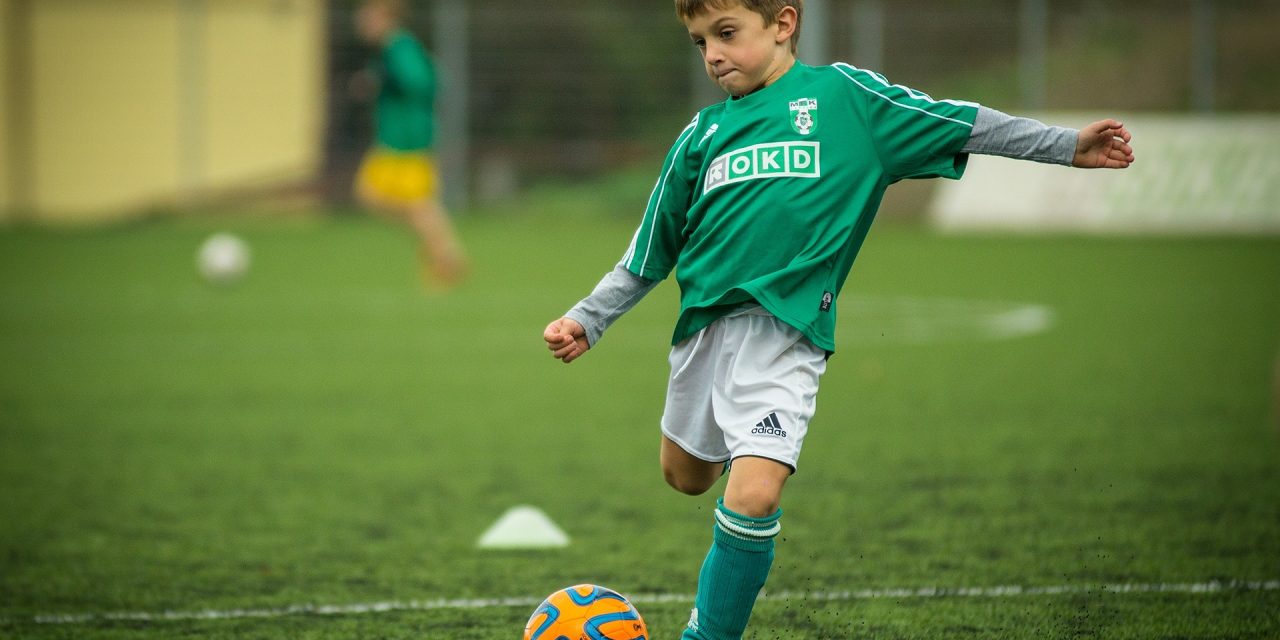
Many parents want the very best for their children in sport. It can build confidence, discipline, friendships and resilience. However, without realising it, adults can sometimes place pressure on young athletes that takes away the enjoyment that made them start in the first place.
The first principle is simple: keep sport enjoyable. Children perform best when they feel relaxed and supported rather than judged. A short comment such as “I loved watching you play” can be far more powerful than analysing every mistake after the game.
Secondly, focus on effort rather than results. Improvement comes from commitment, not just winning. Praising effort, attitude and persistence helps children develop a growth mindset — an approach that benefits them both in sport and in school.
It is also important to allow children to take ownership of their sporting journey. This means giving them space to make decisions, learn from experiences and gradually develop independence. Too much instruction from the sidelines can lead to confusion and anxiety.
Another key area is emotional support. Young athletes will inevitably experience setbacks — missed chances, losses or selection disappointments. These moments are valuable learning opportunities. Calm reassurance from parents helps children build resilience and confidence to try again.
Finally, balance is essential. Sport should be part of a healthy, well-rounded lifestyle that includes education, rest and social time. When balance is right, performance often improves naturally.
In my experience working with young athletes and parents, those who enjoy their sport most tend to progress furthest. Enjoyment creates confidence, and confidence supports performance.
By keeping sport positive, supportive and child-centred, parents can play a vital role in helping their children not only improve, but also develop a lifelong love of physical activity.
Dennis Smith
scholarlyachievement@gmail.com